
Quick reference
- The contractor fills out the W-9 and gives it to you — not to the IRS.
- You never file the W-9 with the IRS. You keep it on file and use the information to prepare 1099s.
- Collect a W-9 before making any payment — not after the work is done.
- The $600/year threshold triggers the 1099-NEC requirement, but you should have a W-9 regardless of payment amount.
What Is Form W-9?

IRS Form W-9 — officially titled "Request for Taxpayer Identification Number and Certification" — is a one-page form that collects a contractor's Taxpayer Identification Number (TIN), legal name, address, and tax classification. As the payer, you request it. The contractor fills it out and returns it to you.
The W-9 never goes to the IRS. Its only purpose is to give you the information you need to file Form 1099-NEC at year end, which does go to the IRS. Think of the W-9 as the source document and the 1099 as the output.
Who Needs to Complete a W-9?

Three main groups are asked to complete W-9s:
Freelancers and independent contractors
Anyone you're paying for services who isn't on your payroll. Collect a W-9 from every US-based contractor before their first payment, regardless of expected annual total. If they end up earning $600 or more, you'll need it to file their 1099.
New bank account holders
Financial institutions may request a W-9 when you open a business checking account, savings account, or investment account. This enables them to report interest income to the IRS.
Investment account holders
Banks and brokerage firms collect W-9s to support their own 1099-INT and 1099-DIV filing obligations when they pay interest or dividends.
How W-9 Connects to Form 1099
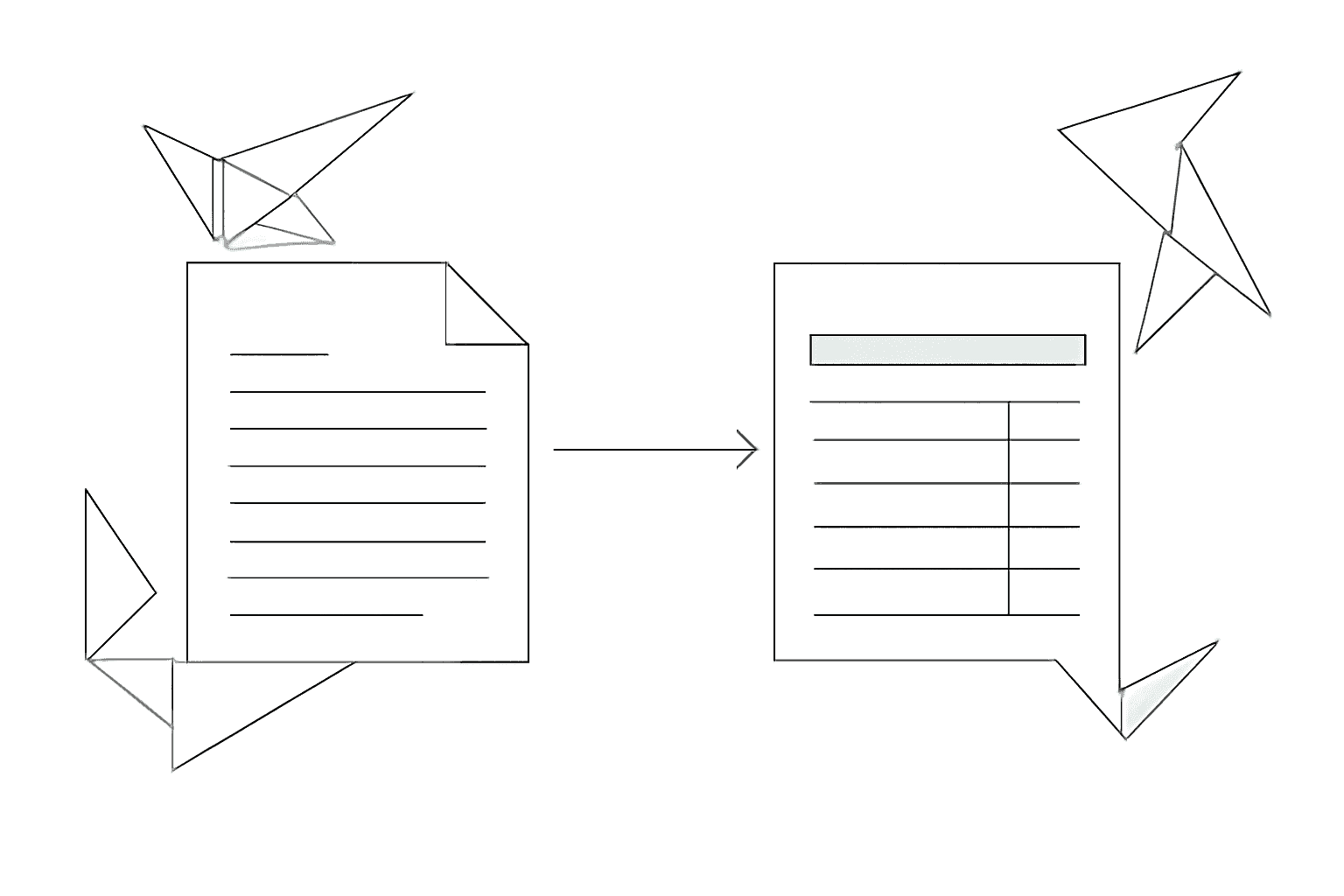
The two forms work together. Here's the flow:
You onboard a contractor
Before any work begins, you request a completed W-9.
Contractor submits W-9
They provide their legal name, TIN (SSN or EIN), address, and tax classification.
You retain the W-9
File it securely — you don't send it anywhere. This is your reference document.
You pay the contractor throughout the year
Track cumulative payments. Once they hit $600, you have a 1099 obligation.
January 31st: File 1099-NEC
Using the information from the W-9, you issue the contractor a 1099-NEC and file a copy with the IRS.
How to Complete Form W-9: Field by Field

If a contractor asks you how to fill it out, here's what each field requires:
Line 1 — Legal name
The name as it appears on their federal tax return. For individuals, this is their full legal name. For sole proprietors, it's their personal name (not the business name).
Line 2 — Business/DBA name
Only required if the contractor does business under a different name. Most sole proprietors leave this blank.
Line 3 — Federal tax classification
Sole proprietor/individual, LLC, C corporation, S corporation, partnership, or trust/estate. Most individual freelancers check "Individual/sole proprietor."
Line 4 — Exemption codes
Only applicable to certain entities (corporations, government agencies). Most individual contractors leave this blank.
Lines 5–6 — Mailing address
The address where you'd send any correspondence. Should match the address on their tax return.
Part I — Taxpayer Identification Number
The most critical field. Individuals enter their Social Security Number (SSN); businesses enter their Employer Identification Number (EIN). If they're a new business awaiting an EIN, they write "Applied for."
Part II — Certification (signature)
The contractor signs and dates, certifying that the information is accurate and that they're not subject to backup withholding (unless they are).
Security and Storage

W-9 forms contain sensitive personal information — SSNs and EINs. Handle them accordingly:
- Don't accept W-9s via unencrypted email. Use a secure form submission or contractor management platform.
- Store them in an access-controlled system — not an open Google Drive folder.
- Only share the information with the people directly responsible for filing.
- Retain W-9s for at least four years after filing the associated 1099.
What About International Contractors?

Form W-9 is for US persons only (US citizens, resident aliens, and US entities). Foreign contractors — non-US citizens working outside the United States — complete a different set of forms:
- W-8BEN:For foreign individuals certifying their non-US status. Determines whether any US withholding tax applies under a tax treaty.
- W-8BEN-E:For foreign entities (companies, not individuals).
- W-8ECI:For foreign persons with income effectively connected to a US trade or business.
Like W-9s, W-8 forms are retained by you — not filed with the IRS. They expire after three calendar years and need to be refreshed periodically.